

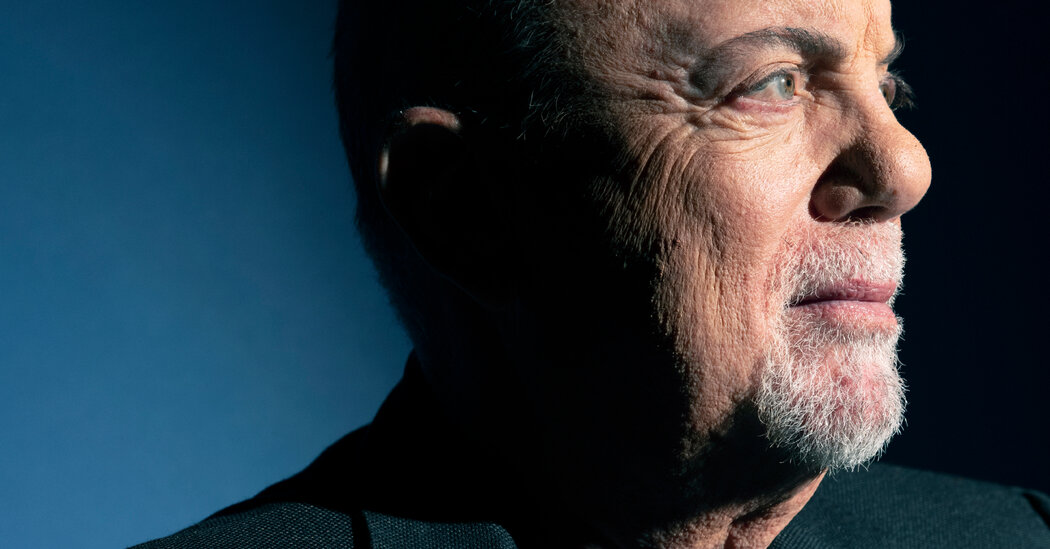
The singer canceled his upcoming concerts because of the brain disorder. Here’s what to know about the symptoms, prognosis and treatment.
Billy Joel has canceled his upcoming concerts because of a brain disorder that has affected his hearing, vision and balance, the singer-songwriter announced on Friday.
The condition, known as normal pressure hydrocephalus, or N.P.H., is estimated to affect hundreds of thousands of older Americans. Here’s what to know about the disorder.
What is normal pressure hydrocephalus?
N.P.H. occurs when excess cerebrospinal fluid builds up in the brain, causing symptoms that include trouble walking, balancing and controlling one’s bladder. It can also lead to memory problems.
The bladder symptoms can include not just incontinence, but also waking up at night to urinate with increasing frequency.
A statement posted to Mr. Joel’s social media accounts on Friday said his condition had been “exacerbated by recent concert performances.”
N.P.H. is rare, but risk increases with age. Dr. Charles Matouk, a neurosurgeon at Yale University and director of the Normal Pressure Hydrocephalus Program, estimated that less than 1 percent of the population ages 65 to 80 might get it, but that the number was likely 5 percent or more after age 80.