

Two new studies add to the evidence that human activity, from fishing to urban development, is driving the evolution of wild animals.
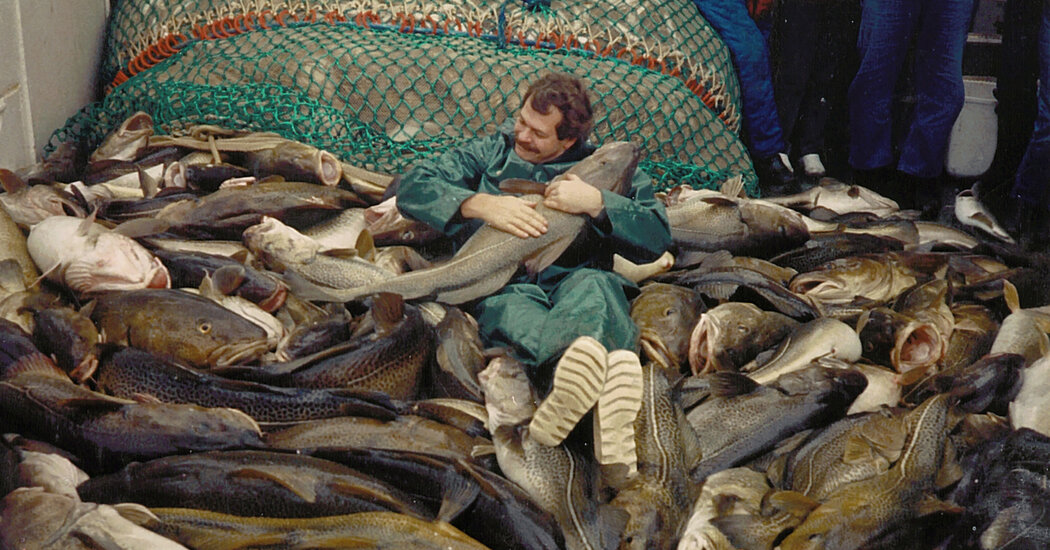
Call it the case of the incredible shrinking cod. Thirty years ago, the cod that swam in the Baltic Sea were brag-worthy, with fishing boats hauling in fish the size of human toddlers. Today, such behemoths are vanishingly rare. A typical Eastern Baltic cod could easily fit in someone’s cupped hands.
Experts have suspected that commercial fishing might be to blame. For years, the cod were intensely harvested, caught in enormous trawl nets. The smallest cod could wriggle their way out of danger, while the biggest, heaviest specimens were continually removed from the sea.
One simple explanation for the phenomenon, then, was that the fish were not actually shrinking: Rather, they were simply eliminated as soon as they grew big enough to be caught.
But a new study suggests that intense fishing was driving the evolution of the fish. Small, slow-growing cod gained a significant survival advantage, shifting the population toward fish that were genetically predisposed to remaining small. Today’s cod are small not because the big individuals are fished out but because the fish no longer grow big.
The data, which were published on Wednesday in the journal Science Advances, add to a growing body of evidence that human activities like hunting and fishing are driving the evolution of wild animals — sometimes at lightning speed.
“Human harvesting elicits the strongest selection pressures in nature,” said Thorsten Reusch, a marine ecologist at the GEOMAR Helmholtz Centre for Ocean Research Kiel in Germany and an author of the new paper. “It can be really fast that you see evolutionary change.”