

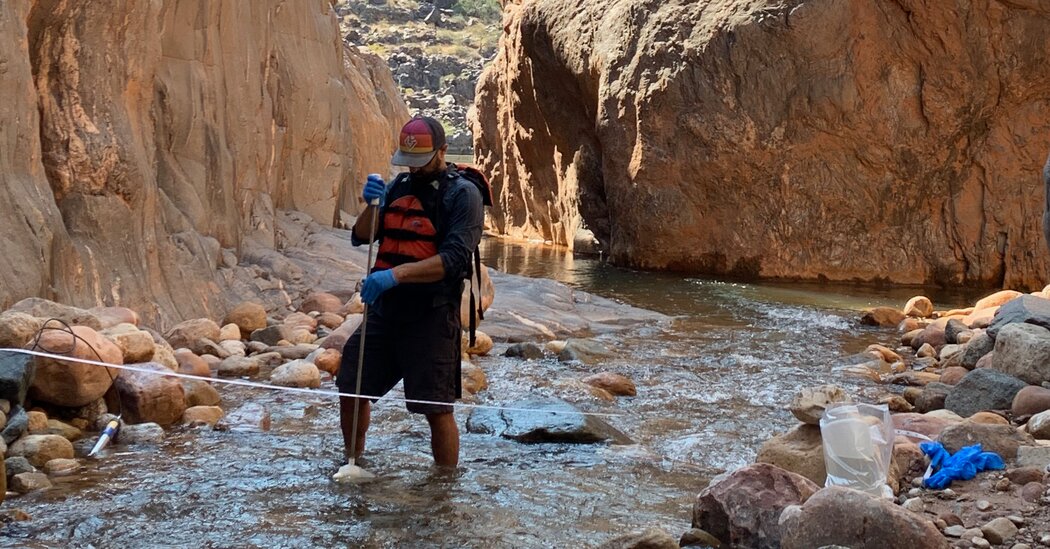
From bee science to understanding the impact of a warming world on plant life, here’s what the Ecosystems Mission Area does.
The Trump administration’s proposed budget for 2026 slashes about 90 percent of the funding for one of the country’s cornerstone biological and ecological research programs.
Known as the Ecosystems Mission Area, the program is part of the U.S. Geological Survey and studies nearly every aspect of the ecology and biology of natural and human-altered landscapes and waters around the country.
The 2026 proposed budget allocates $29 million for the project, a cut from its current funding level of $293 million. The budget proposal also reduces funds for other programs in the U.S. Geological Survey, as well as other federal science agencies.
The budget still needs to be approved by Congress and scientists are seizing the opportunity to save the E.M.A. In early May, more than 70 scientific societies and universities signed a letter to Interior Secretary Doug Burgum, urging him not to eliminate the program.
Abolishing the E.M.A. was an explicit goal of Project 2025, the blueprint for shrinking the federal government produced by the conservative Heritage Foundation. That work cited decades-long struggles over the Interior Department’s land management in the West, where protections for endangered species have at times prevented development, drilling and mining.