

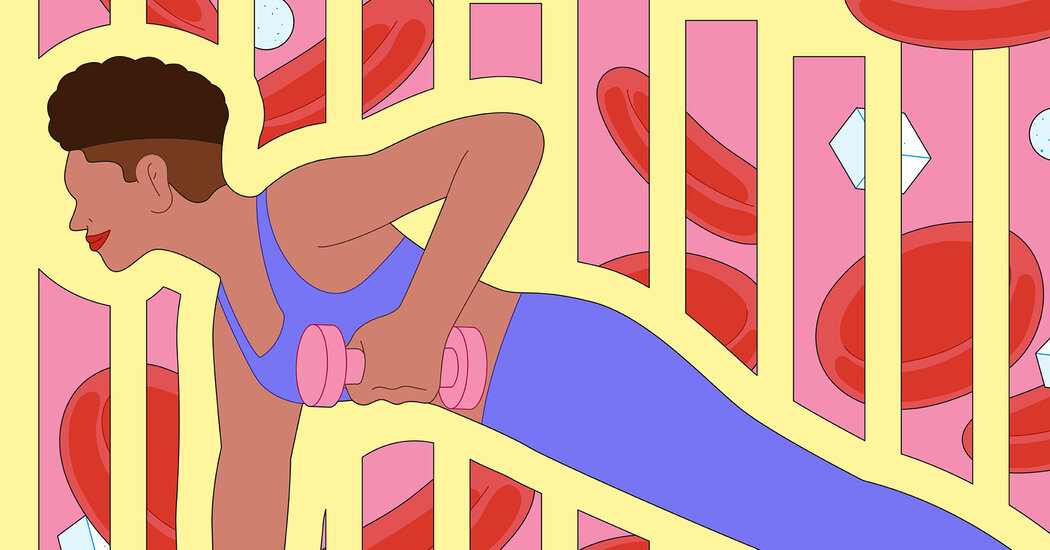
Movement can be a powerful medicine for people with diabetes and other forms of insulin resistance. But intensity and timing can make a difference.
These days, more and more of us have to worry about our blood sugar.
Some 38 million Americans have diabetes, and more than two times that number have pre-diabetes. Many millions more have some form of insulin resistance, which can make you tired, irritable and even dizzy. And all of these conditions become more common as we age.
The good news is that exercise can help. It’s at least as important as your diet for preventing and treating insulin resistance and diabetes. It can also help you lose weight, which is often the most important step in leveling out blood sugar.
Exercise has several unique ways to help your body process glucose, said Dr. Donald Hensrud, a specialist in preventive medicine and nutrition and medical editor of “The Mayo Clinic Diet.” And while any exercise is good for you, the type of movement you choose and when you do it can play a big role in how much it helps.
Here are some things you should think about when planning workouts, according to experts.
Exercise is essential to managing blood sugar.
The causes of diabetes are complex. Family history, genetics, weight and diet certainly play a role. But it’s clear that exercise can dramatically lower your blood glucose, regardless of your diagnosis, and improve how well your body uses insulin.
In fact, research has shown that exercise is generally more effective at preventing diabetes than medication (though it is important to use all types of treatment). During exercise, your muscle cells can more easily use the glucose in your blood. This lowers blood sugar directly and can also reduce the fat around your organs, an important risk factor for diabetes and insulin resistance, said Dr. Gerald I. Shulman, a professor of medicine and physiology at the Yale School of Medicine.
In particular, studies show that regular high-intensity interval training or moderate continuous exercise can make a difference, reversing pre-diabetes in almost 40 percent of the participants — although it could take months or even years for many people to see long-lasting changes.