

The low-impact workout is booming. Here’s how to get started, according to instructors.
Scrolling through certain corners of Instagram may lead you to believe that Pilates is not only a workout but also a lifestyle, one full of minimalist fitness studios, expensive leggings and matcha lattes.
Thanks in part to its aesthetic appeal, Pilates is trending. On the fitness platform ClassPass, for example, Pilates was the most popular class type last year. You can find Pilates classes at specialized studios, physical therapy clinics and big-box gyms and on streaming platforms like Pilatesology and Pilates Anytime.
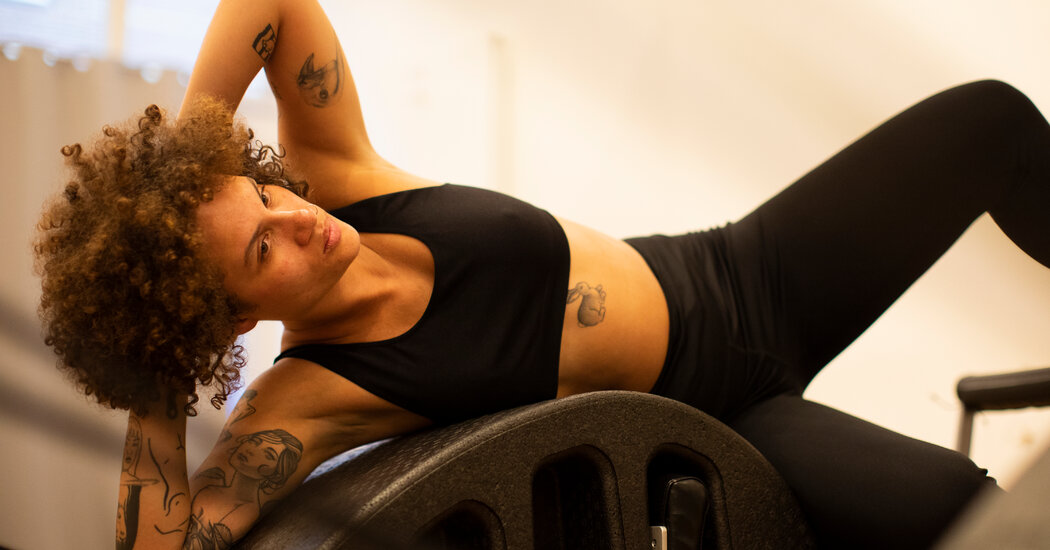
Pilates was invented by Joseph Pilates, a German boxer, about a century ago. It focuses on exercises designed to improve core strength, spinal alignment, joint stability and mobility. The movements also promote optimal breathing for physical and mental function, said Kira Lamb, a classical Pilates teacher in New York City. Traditional Pilates can be practiced on a mat or on an apparatus. The reformer — a platform with a sliding carriage, adjustable straps and a footbar — is one of the most common.
Pilates classes can be gentle or very challenging, depending on the instructor and whether you modify the exercises or not. In addition to the tangible fitness benefits, many people are drawn to the practice for more ineffable results, including a greater mind-body connection. “People know they feel better after a Pilates class and don’t always have words for it,” said Ivy Baron, a Pilates teacher in Austin.
Many different kinds of classes can be positioned as Pilates. Beyond traditional Pilates, there are also muscle-quaking, sweat-inducing, high-intensity megaformer classes. While these may be called Pilates, they are usually more focused on cardio and resistance training.
If you’re new to Pilates or looking to deepen your practice, here’s how to make the most of your session, according to instructors.