

If you’re looking for healthy animal protein, nothing on Earth beats seafood. But it can be hard to know what to eat. There’s mercury in the tuna, bycatch on the shrimp boats and pesticides in the salmon ponds.
Isn’t there something you can just order at a restaurant, or buy at the fish counter, without worrying about heavy metals and the future of our oceans?
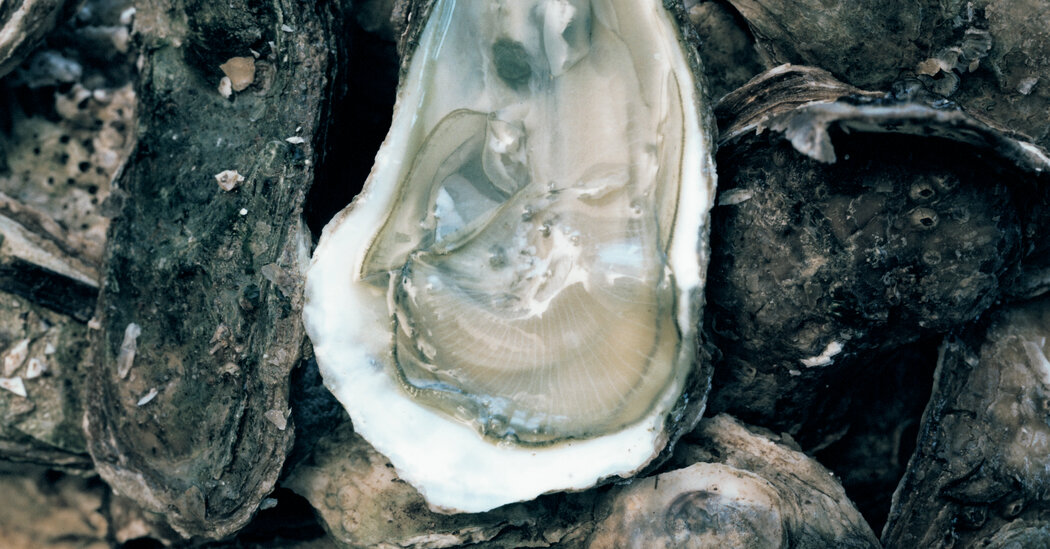
You bet there is. Shellfish — specifically, bivalves like clams, oysters, mussels and scallops — are nutrition-packed and an environmental success story. Sustainable farming of these mollusks has boomed, making them one of the best options for a seafood-hungry world.
So sidle up to the raw bar or steam some mussels. You might be surprised by the health benefits.
Are shellfish healthy?
Put simply: Clams and oysters are some of the most nutrient-rich animals on the planet, just behind small fish like sardines and anchovies. (Crustaceans like lobsters and crabs are also in the shellfish category but are much less nutritious.)
Mussels top the list for nutrients, said Christopher Golden, an expert on planetary health and aquatic foods at the Harvard T.H. Chan School of Public Health. A single serving holds all the vitamin B12 and omega 3 fatty acids you need for a day, along with three quarters of your zinc and iron. Next would be oysters, he said, followed by clams and scallops.
Bivalves are low in fat, high in protein and, unlike much other seafood, generally free of environmental contaminants like mercury. That’s because they’re near the bottom of the food chain and, as a rule, don’t live long.