
<!–>

[!–>

<!–>

–><!–>

[–>

Canada
A.I.-generated image

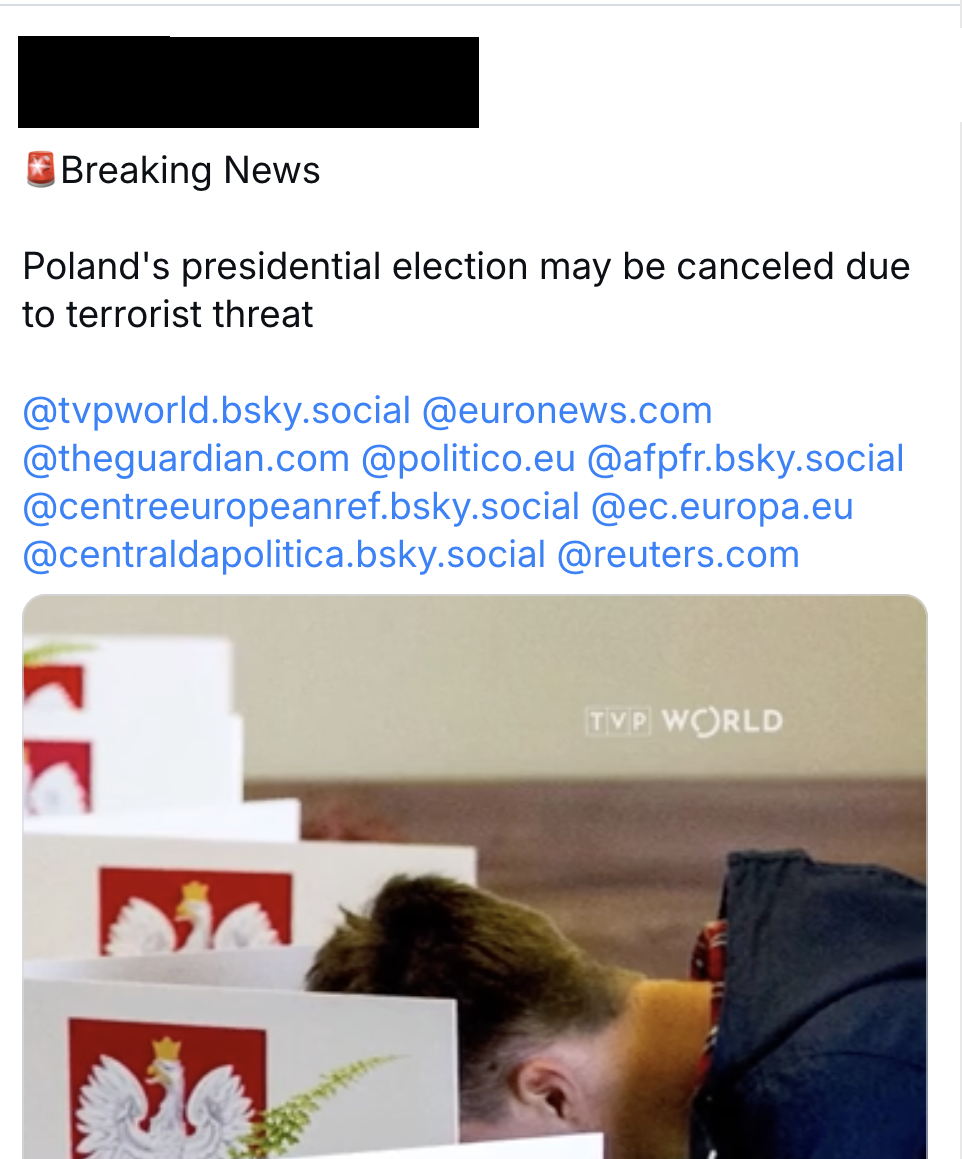
Poland
A.I.-generated content

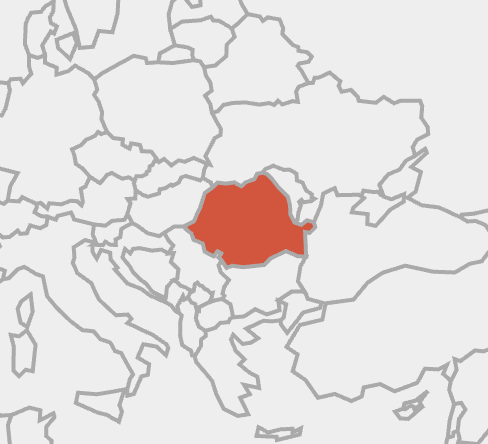
Romania
A.I.-manipulated video

<!–>

[–><!–>

–>

<!–>

[–><!–>Ahead of Canada’s election in April, a‌n A.I.-generated photograph purporting to show one of the candidates for prime minister, Mark Carney, with the disgraced financier Jeffrey Epstein appeared on X.–><!–>

–>

<!–>

[–><!–>In Poland, fabricated social media posts warned that a terrorist attack might force the cancellation of its election last month. The posts, which spoofed news articles, were later linked to Russia.–><!–>

–>

<!–>

[–><!–>In Romania, A.I. upended the country’s first round of voting last year, prompting another vote. In March, a fake video appeared to show President Trump endorsing a candidate.–><!–>

–>

<!–>

–><!–>

–>

<!–>

–> <!–>

–>

A.I. Is Starting to Wear Down Democracy

Since the explosion of generative artificial intelligence over the last two years, the technology has demeaned or defamed opponents and, for the first time, officials and experts said, begun to have an impact on election results.

Free and easy to use, A.I. tools have generated a flood of fake photos and videos of candidates or supporters saying things they did not or appearing in places they were not — all spread with the relative impunity of anonymity online.

The technology has amplified social and partisan divisions and bolstered antigovernment sentiment, especially on the far right, which has surged in recent elections in Germany, Poland and Portugal.

In Romania, a Russian influence operation using A.I. tainted the first round of last year’s presidential election, according to government officials. A court there nullified that result, forcing a new vote last month and bringing a new wave of fabrications. It was the first major election in which A.I. played a decisive role in the outcome. It is unlikely to be the last.

As the technology improves, officials and experts warn, it is undermining faith in electoral integrity and eroding the political consensus necessary for democratic societies to function.

Madalina Botan, a professor at the National University of Political Studies and Public Administration in Romania’s capital, Bucharest, said there was no question that the technology was already “being used for obviously malevolent purposes” to manipulate voters.

<!–>

[–>

<!–>

[–>

Manipulated by A.I.
Manipulated by A.I.

Muted


Argentina

Muted


South Korea

<!–>

–> <!–>

–>

<!–>

[–>

<!–>

[–>

Generated by A.I.

Muted


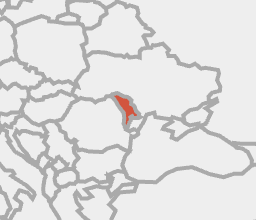
Moldova
Manipulated by A.I.

Muted

<!–>

–> <!–>

–>

<!–>

[–>

<!–>

[–>

Manipulated by A.I.

Muted


Romania
Generated by A.I.

Muted


Romania
Generated by A.I.

Muted


Romania

<!–>

–> <!–>

–>

We are having trouble retrieving the article content.

Please enable JavaScript in your browser settings.


Thank you for your patience while we verify access. If you are in Reader mode please exit and log into your Times account, or subscribe for all of The Times.


Thank you for your patience while we verify access.

Already a subscriber? Log in.

Want all of The Times? Subscribe.